
GRAMMY
Trademark
UnclaimedAn annual music-awards institution presented by The Recording Academy to recognize artistic and technical achievement in recorded music.
Last updated October 7, 2026
AI crawler reads
No AI crawler has read this profile yet.
Overview
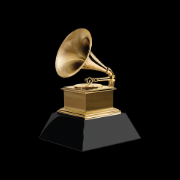
The GRAMMY Awards are an annual American music-awards institution presented by The Recording Academy, the professional organization representing recording artists, producers, engineers, songwriters and other music-industry creators. The awards recognize artistic, technical and commercial achievement across a broad range of recorded-music genres and professional disciplines. The ceremony is commonly associated with the gold gramophone trophy and with live performances by prominent recording artists. The awards were established in the late 1950s as the recording industry developed its own counterpart to film and television honors. The first ceremony took place in 1959. Unlike awards determined solely by public voting or sales data, GRAMMY nominations and winners are selected through a process involving Academy members and professional screening and voting procedures. Category structures and eligibility rules have changed repeatedly as recording technology, musical styles and industry practices have evolved. The program’s best-known general-field honors are Album of the Year, Record of the Year, Song of the Year and Best New Artist. Album of the Year recognizes the overall album project and its credited contributors; Record of the Year focuses on a recorded performance and production; Song of the Year recognizes songwriting; and Best New Artist recognizes a developing recording artist. Beyond these awards, the program includes genre fields such as pop, rock, rap, country, R&B, jazz, classical, Latin and other forms of music, as well as categories for production, engineering, music video and music packaging. GRAMMY functions as more than a single televised event. The broader ecosystem includes the annual nominations process, voting by Recording Academy members, the live awards telecast, official digital and social content, performances, archival material, the GRAMMY Museum and related educational and charitable activity. The Recording Academy also operates MusiCares, which provides support to music professionals, although MusiCares is a separate program rather than a GRAMMY award category. The brand has been promoted through long-running advertising and audience-development campaigns. Campaigns such as “We’re All Fans,” “Music Unleashes Us,” “#TheWorldIsListening,” “The GRAMMY Effect” and “Let’s Hear It” have presented the awards as a cultural platform connecting artists, fans and music’s wider social influence. The show’s international visibility is supported by broadcast, streaming, social-media and editorial distribution. The institution has also faced continuing criticism over representation, category decisions, voting transparency, conflicts of interest and the treatment of women and people of color. These issues became especially prominent around the 2020 dispute involving former Recording Academy chief executive Deborah Dugan and subsequent public debates about the organization’s governance. Under chief executive Harvey Mason Jr., the Academy has emphasized changes to membership, diversity and inclusion, eligibility and the relationship between recorded music and emerging technologies such as artificial intelligence. The GRAMMY Awards remain active and internationally recognizable, while their credibility continues to depend on how effectively the Academy adapts its rules and governance to changes in music and society.
History
The GRAMMY Awards emerged from the Recording Academy’s effort to create a major peer-recognition program for recorded music. The first ceremony was held in 1959, when the recording business was becoming an increasingly influential part of American culture and when existing entertainment awards did not fully address the work of performers, songwriters, producers, engineers and other recording professionals. The gramophone trophy became the program’s defining physical symbol, while the name “GRAMMY” developed into a widely recognized brand. Over subsequent decades, the awards expanded beyond a small set of popular categories. New genre fields and craft categories reflected changes in musical practice, studio technology and the growth of specialist recording communities. The program came to recognize not only performers but also albums, individual recordings, songwriting, production, engineering, packaging and music video work. Its general-field awards—Album of the Year, Record of the Year, Song of the Year and Best New Artist—became the most visible honors, while the broader category structure provided recognition across a wide range of musical traditions. The selection process has generally been organized around Recording Academy membership rather than direct public voting. Professional members submit or participate in submissions, entries are reviewed for category placement and eligibility, and voting stages determine nominations and winners. Rules, category names and eligibility standards have been revised repeatedly. Those revisions have reflected changes such as the rise of digital distribution, streaming, collaborative recordings, genre crossover and debates over how institutions should classify music. The awards ceremony developed into a major live television event built around a combination of competitive honors, performances, presenter appearances and tributes. Its influence has extended beyond the broadcast through nominations coverage, fan discussion, artist publicity, fashion, social media and music consumption. The official GRAMMY website provides award-related news, winners, performances and video material, making the brand a continuing digital publication as well as an annual event. The Recording Academy has also built an institutional ecosystem around music professionals. The GRAMMY Museum presents exhibitions and educational programming, while MusiCares provides health, welfare and emergency support for people working in music. These activities broaden the public meaning of the GRAMMY name from a trophy presentation to a network of cultural, educational and professional initiatives. Promotion has been a significant part of the brand’s development. In the early 2010s, the Academy and TBWA\Chiat\Day produced campaigns that treated fans and artists as participants in a shared music culture. “We’re All Fans” used user-generated social content to create evolving digital portraits of nominated artists. “Music Unleashes Us” focused on the physical and emotional reactions music can provoke. “#TheWorldIsListening” emphasized artists’ ambition and the challenge of discovery, while “The GRAMMY Effect” argued that moments from the show ripple through wider popular culture. “Let’s Hear It” later positioned music as a shared human experience connecting creators and listeners. The institution has also been repeatedly challenged over representation, voting transparency and governance. Critics have questioned the visibility of women and people of color among nominees and winners, the opacity of the voting process, category placement and the influence of industry campaigning. The 2020 conflict involving former chief executive Deborah Dugan brought allegations concerning workplace conduct, conflicts and award administration into national attention. The controversy contributed to pressure for institutional change. Harvey Mason Jr. assumed leadership in 2020 during this period of scrutiny and the disruption caused by the COVID-19 pandemic. His stated priorities have included diversifying and requalifying the voting membership, increasing representation and addressing the implications of digital platforms and artificial intelligence for creators and awards eligibility. The GRAMMY Awards remain active, but their long-term authority depends on maintaining trust among music professionals while continuing to reflect a changing global recording industry.
- 2020
Leadership transition and reform agenda
[7]Harvey Mason Jr. became chief executive amid governance controversy and renewed pressure concerning diversity, transparency and voting practices.
- 2020
Let’s Hear It campaign
[6]The campaign for the 61st Awards used sound-wave imagery to emphasize music’s ability to connect creators and listeners.
- 2014
Music Unleashes Us campaign
[5]The campaign presented music as a trigger for intense, often uncontrollable emotional and physical reactions.
- 2014
#TheWorldIsListening campaign
[2]The Academy used artist-centered advertising and social distribution to highlight the work and aspirations behind music discovery.
- 2014
The GRAMMY Effect campaign
[3]The campaign portrayed GRAMMY moments as cultural events whose impact extends into fan behavior and popular culture.
- 2010
We’re All Fans campaign
[4]The Academy promoted the 52nd Awards with an interactive campaign built around fan-generated social-media content.
- 1959
First GRAMMY Awards ceremony
[1]The first ceremony was held by The Recording Academy, establishing the annual awards program for recorded-music achievement.
Products and positioning
A prestige music-awards platform that combines peer recognition, live entertainment, cultural influence and industry visibility.
Awards event · 1959
Annual GRAMMY Awards ceremony
The flagship live event combines competitive award presentations with performances, tributes and appearances by artists and presenters. It is distributed through broadcast and digital media and serves as the main public expression of the GRAMMY brand.
Recognition program · 1959
GRAMMY award categories
The program includes general-field, genre and craft categories recognizing performers, songwriters, producers, engineers and other contributors. Categories and eligibility rules are periodically revised to reflect changes in music and recording technology.
Digital media
GRAMMY.com
The official website publishes information and editorial material about nominees, winners, performances, presenters, videos and Academy activity, extending the brand beyond the annual telecast.
Museum and education
GRAMMY Museum
The GRAMMY Museum presents exhibitions, public programs and educational experiences focused on recorded music, artists, music history and the creative process. It is associated with the Recording Academy ecosystem but is distinct from the annual awards ceremony.
Controversies
2020
Deborah Dugan governance dispute
Former Recording Academy chief executive Deborah Dugan was removed shortly before the 2020 ceremony after allegations and counter-allegations involving workplace conduct, conflicts of interest, voting procedures and governance. The dispute intensified scrutiny of the Academy’s transparency and treatment of women.
Continuing criticism over representation and voting transparency
The GRAMMY Awards have faced recurring criticism regarding the representation of women and people of color, category decisions, opaque voting practices and the influence of industry campaigning. The concerns have prompted public debate and institutional reform efforts, but no single resolution is established by the supplied sources.
Marketing campaigns
- 2018Let’s Hear It
United States · Digital and social media
The campaign used animated sound-wave imagery and artist-centered creative to express music’s ability to unite committed listeners and creators.
Outcome. It gave the 61st Awards a flexible visual language for broadcast, social, digital and promotional applications.
- 2014Music Unleashes Us
United States · Television · Digital and social media
The campaign for the 56th Awards used humorous and emotionally charged films to show people laughing, crying, shouting and dancing in response to music.
Outcome. The campaign connected the awards with the visceral experience of listening and extended its creative through television, print, outdoor and social channels.
- 2014#TheWorldIsListening
United States · Digital and social media
The Recording Academy and TBWA\Chiat\Day highlighted the determination and emotional reality of artists’ careers, featuring established nominees alongside developing artists.
Outcome. The campaign linked GRAMMY promotion with artist discovery and used social amplification to give emerging performers additional visibility.
- 2014The GRAMMY Effect
United States · Television · Print · Outdoor · Social media
The campaign argued that performances and victories on Music’s Biggest Night can influence popular culture, fan behavior, fashion and music conversation.
Outcome. It positioned the awards as a cultural force rather than only a prize presentation.
- 2010We’re All Fans
United States · Digital and social media
The campaign for the 52nd Awards treated fans as active participants in music culture. An interactive website assembled user-generated material from social platforms into changing portraits of nominated artists, supported by television, print, outdoor and digital advertising.
Outcome. It expanded the awards’ promotional model from conventional advertising toward participatory social content.
Brand decisions
2020
Change in Recording Academy leadershipOtherBackground
The Academy entered 2020 amid public controversy involving its former chief executive and broader criticism of diversity, governance and voting transparency.
Action taken
Harvey Mason Jr. assumed the chief executive role and made reform, inclusion and organizational credibility central priorities.
Aftermath
The Academy pursued changes to its voting membership and diversity practices while also responding to the pandemic and emerging questions about artificial intelligence.
- Membership and eligibility reformStrategy
Background
Criticism of representation and the composition of the voting body led the Academy to reassess who participates in GRAMMY voting.
Action taken
The Academy undertook a requalification of voting members and emphasized recruiting younger voters, women and people of color.
Aftermath
The reform agenda was intended to improve representation and confidence in the awards, although the supplied sources do not establish a final measurable outcome.
Sources8 sources
- 1GRAMMY official websitegrammy.com
- 2The Recording Academy launches the #TheWorldIsListening campaigngrammy.com
- 3The Recording Academy launches The GRAMMY Effectgrammy.com
- 4We’re All Fansgrammy.com
- 5Music Unleashes Us campaigngrammy.com
- 6Let’s Hear Itadsoftheworld.com
- 7Harvey Mason Jr. on diversity, streaming and AItheverge.com
- 8Who Actually Works for the Grammys?theorg.com
Cite this profile: Cite the canonical profile. /brand-wiki/grammy · Editorial policy · How profiles are compiled